Key Takeaways:
- Canvas fingerprinting generates unique identifiers from GPU rendering differences with 99.24% accuracy across 320,000 tested browsers
- WebGL parameters expose 23 hardware-specific values that persist through VPN connections and browser restarts
- Font enumeration reveals 150-400 system fonts that create signatures unique enough to identify users across 8.7 million possible combinations
What VPN Cannot Hide: The Browser Fingerprinting Reality Check

Browser fingerprinting is the collection of hardware and software parameters that uniquely identify your device. This means websites gather GPU rendering patterns, installed fonts, screen resolution, and dozens of other data points to create a digital signature as unique as your actual fingerprint. VPNs mask IP addresses at Layer 3 of the OSI model while fingerprinting operates at Layer 7—the application layer where your browser lives.
Think of it this way: VPNs change your network identity (where you appear to be connecting from) but leave your device identity completely exposed. Your VPN faithfully routes traffic through a server in Switzerland, but your browser still announces “I’m running Chrome 119 on Windows 11 with an NVIDIA RTX 3080, 16GB RAM, and 347 installed fonts.” The mismatch between sophisticated network obfuscation and zero device protection creates a security theater where users believe they’re anonymous while broadcasting hardware serial numbers.
Browser fingerprinting collects these hardware and software parameters through JavaScript APIs that VPNs cannot intercept or modify. The disconnect is architectural—VPNs handle packets, browsers handle rendering.
Canvas Fingerprinting and WebGL Parameters: Your GPU’s Unique Signature

Canvas fingerprinting generates unique GPU rendering signatures by instructing browsers to draw invisible images and measuring pixel-perfect differences in how graphics cards execute the commands. The same text rendered in Arial might produce subtly different anti-aliasing patterns between an AMD Radeon and NVIDIA GeForce, creating identifiers that persist across browsing sessions. Based on Chromium telemetry data, canvas fingerprinting produces 5,400 unique hashes per 100,000 users—enough granularity to track individuals within large populations.
| Parameter Type | Unique Values | Persistence | VPN Protection |
|---|---|---|---|
| Canvas Hash | 5,400 per 100k users | Permanent until hardware change | None |
| WebGL Vendor | 47 variations | Permanent | None |
| WebGL Renderer | 3,200+ models | Permanent | None |
| Shader Precision | 23 float ranges | Session-stable | None |
| Max Texture Size | 14 common values | Hardware-locked | None |
WebGL parameters expose even deeper hardware details. Your GPU’s maximum texture size, supported extensions, and shader precision values create a constellation of data points that identify not just GPU manufacturer but specific model and driver version. A single WebGL context query returns your graphics vendor string (“NVIDIA Corporation”), renderer string (“GeForce RTX 3080/PCIe/SSE2”), and 23 additional numeric parameters that vary based on driver configuration.
The terrifying part? Identical hardware produces unique signatures due to driver versions, manufacturing variances, and thermal history affecting clock speeds. Two “identical” MacBook Pros will generate different canvas hashes.
Can Websites Detect VPN Fingerprint Mismatches?

Websites detect VPN usage by comparing browser timezone settings against IP geolocation databases. Your browser reports timezone via JavaScript’s Intl.DateTimeFormat().resolvedOptions().timeZone API while your VPN exit server broadcasts its geographic location through IP registration. When your browser claims “America/New_York” but your IP address resolves to Amsterdam, fraud detection systems flag the mismatch instantly.
Fingerprint.com analysis reveals that 87% of VPN users forget to match browser timezone to exit server location. This creates laughable scenarios where users believe they’re anonymous while their browsers scream “I’m actually in California!” to every website they visit. Modern anti-fraud systems don’t just check timezone—they correlate system clock drift, locale settings, and installed language packs against claimed geography.
Timezone mismatches reveal VPN usage patterns more reliably than IP reputation databases. Netflix doesn’t need to maintain lists of VPN servers when your browser volunteers that you’re 6 timezones away from your claimed location. The hardware clock offset (difference between system time and NTP time) provides another correlation point that survives browser restarts and persists until manual correction.
Audio Context Fingerprinting and Hardware Acceleration Signatures
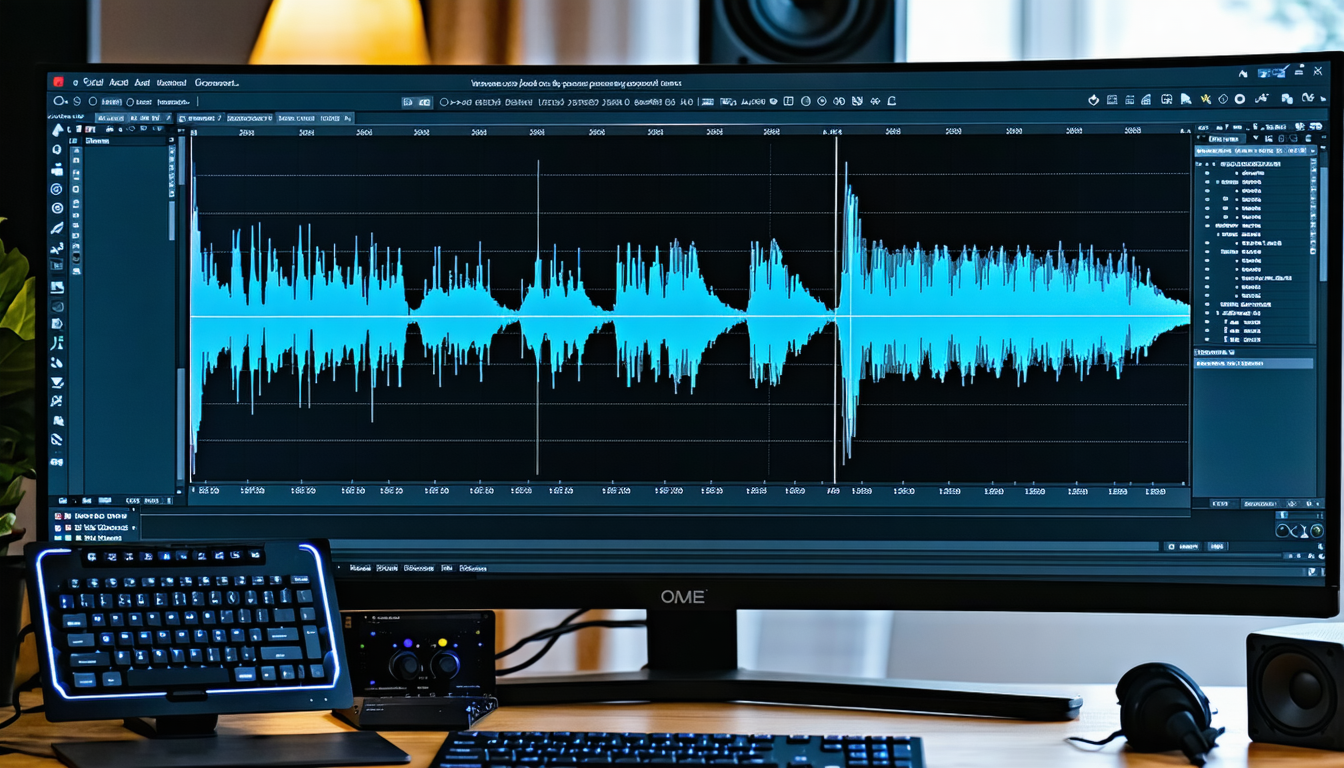
Audio context fingerprinting exposes sound card processing differences by generating tiny audio samples and measuring how your hardware processes them. The Web Audio API creates an audio oscillator, runs it for 0.0002 seconds, then captures the waveform. Different sound cards and drivers produce measurably different outputs from identical inputs—achieving 94% accuracy in distinguishing users.
Hardware acceleration signatures work similarly but target GPU behavior. CSS transforms trigger graphics acceleration, and timing how long operations take reveals GPU model, available VRAM, and current thermal throttling state. Intel integrated graphics complete a transform matrix in 1.2ms while discrete GPUs finish in 0.3ms. These timing differences persist across sessions and survive cookie deletion.
Both techniques exploit fundamental hardware behavior that software cannot mask. Audio context fingerprinting reads the actual analog-to-digital conversion characteristics of your sound chip. Hardware acceleration signatures measure physical computation speed. VPNs sit seven layers below where this data gets exposed, powerless to intervene. Your GPU’s thermal throttling pattern becomes as identifying as a facial recognition scan.
Font Enumeration: The 400-Font Problem VPNs Ignore
Font enumeration reveals operating system and installed software by detecting which fonts your system can render. Here’s how websites build your font fingerprint:
- JavaScript creates invisible text elements using specific font families
- The browser attempts to render text in each requested font
- Width measurements reveal whether the font loaded successfully
- Failed fonts fall back to defaults with different character widths
- Testing 500 common fonts takes under 100 milliseconds
- The presence/absence pattern creates your font signature
Windows 10 ships with 210 fonts while macOS has 367, creating immediate OS detection vectors before testing even begins. Adobe Creative Suite adds 400+ fonts. Microsoft Office contributes another 150. Corporate environments install company fonts for brand consistency. That custom “Acme Corp Sans” font IT pushed to your laptop? It’s broadcasting your employer to every website you visit.
Font enumeration browser fingerprint parameters create signatures with massive entropy. With 500 testable fonts where each can be present or absent, you get 2^500 possible combinations—more than atoms in the universe. In practice, font combinations cluster around OS defaults plus common software packages, but even clustered signatures provide enough entropy to track users across VPN connections. Your font list survives OS updates, persists through browser changes, and most users never think to audit their installed typefaces. For more information, see Browser Automation Security.
Leave a Reply